
Highly Purified Media: The Key to Successful Pharma Processing Method
- July 25, 2024
- Bright Pharma Engineering Private Limited
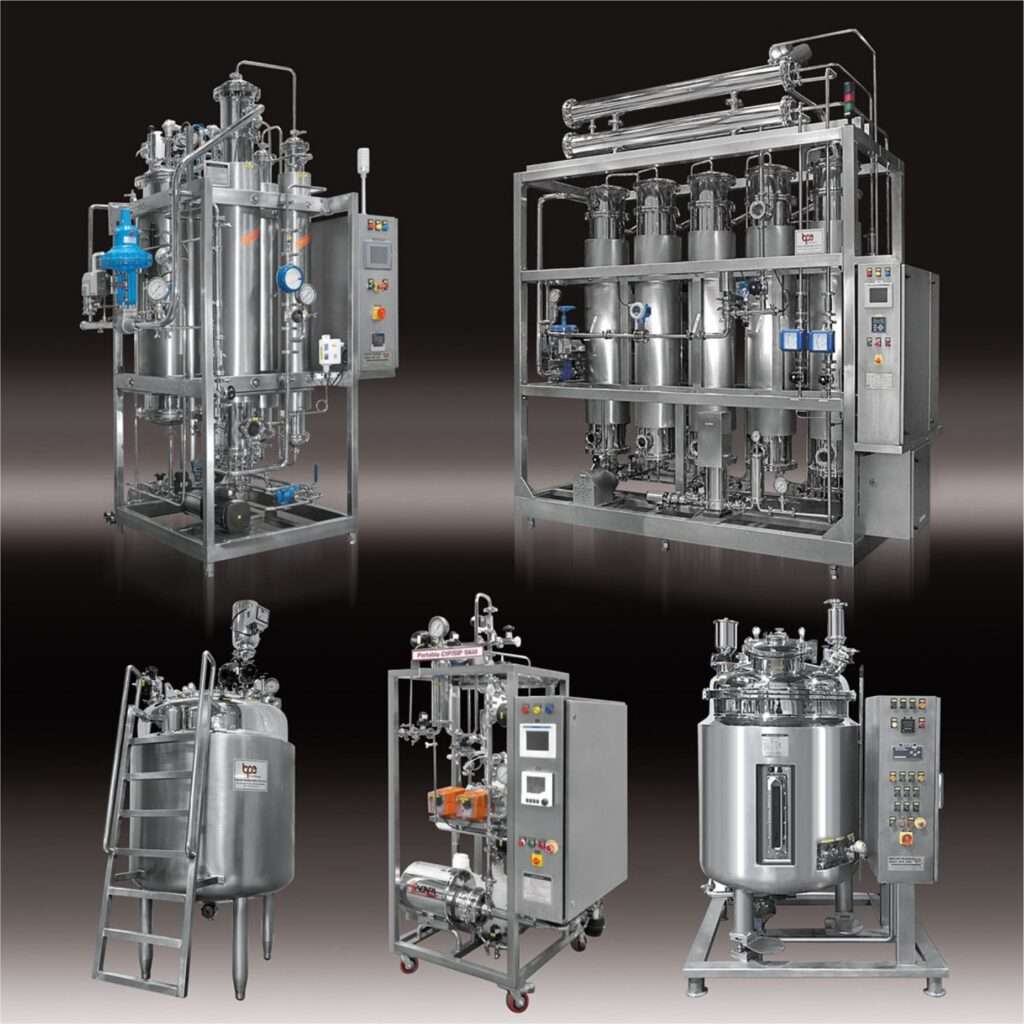
Bright Pharma specializes in the manufacturing of equipment meticulously engineered, fabricated, and maintained to support critical processes such as filtration, distillation, and sterilization. These specialized machines are integral in removing impurities and achieving the exacting purity levels necessary for production.
The demand for purified water in the pharmaceutical and biotechnical industries is consistently increasing. This necessity is due to its multiple functions in the processing, formulation, and manufacturing of pharmaceutical products and active pharmaceutical ingredients (APIs). Additionally, water is used as an excipient and during synthesis, as well as for the cleaning of packaging and equipment materials. The quality of water required varies depending on its intended purpose and is specifically outlined in guidelines and regulations set forth by the pharmaceutical industry. As a result, different grades of water quality are necessary to meet the industry’s standards and requirements.
Generation of Highly Purified Water
Reverse osmosis, the process that utilizes a semi-permeable membrane and significant pressure variation, is the perfect methodology to obtain purified water that is free from chemicals, microbes, and endotoxins. For high-grade media systems that generate purified water, clean steam, and water for injection, these advanced and secure technologies have proven to be highly effective at producing purified water for injection that meets the strict quality standards of the pharmaceutical industry.
Implementation & Benefits
Purified water for injection (WFI) manufacturing is an indispensable need in the pharmaceutical business. It is used in the manufacturing of drugs, medications, injections, and other medicinal products that are meant to be administered to humans or animals. Conventionally, the process of obtaining purified water for injection involves distilling water, which is an energy-intensive and expensive procedure. However, the resulting WFI is of high quality and meets the regulatory requirements of various health organizations.
Moreover, these modern methods eliminate the need for large energy and water consumption, making it more sustainable and eco-friendly. They also tend to be faster and more efficient, leading to lower costs and improved profit margins for pharmaceutical manufacturers. As a result, more companies are switching to these methods for producing their WFI and other purified water needs. With turnkey solutions offered in the market, the setup of integrated storage and delivery systems has become accessible to provide complete services to customers.
Conclusion
In summary, while the traditional method of producing purified water for injection involves energy-intensive distillation, the pharmaceutical industry has now shifted to more efficient and sustainable methods like reverse osmosis and ultrafiltration.