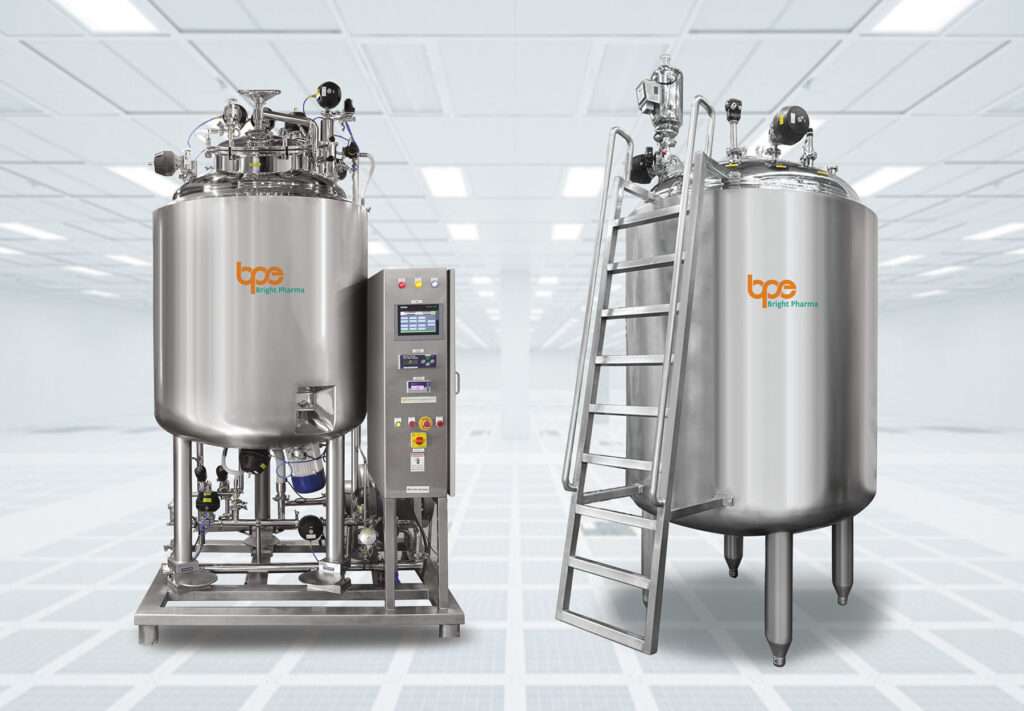
In pharmaceutical production units, you can expect to find a wide variety of process equipment. One common type of equipment is the pharmaceutical process vessel, which serves as a container or tank with the necessary accessories and controls. These vessels play a crucial role in completing specific parts of the pharmaceutical production process. They are primarily used for manufacturing and storing liquids in the pharmaceutical assembly line.
Pharmaceutical process vessels serve various purposes, such as mixing, blending, separation, purification, and cooling. They are designed to meet the specific requirements of the manufacturer’s production process and can be connected to the preceding or subsequent steps in the overall process. These vessels have the primary function of facilitating the production and storage of different types of liquids in the pharmaceutical industry.
When it comes to the specific contents of pharmaceutical process vessels, they can contain a range of products. These products include oral liquids, injectables, various chemical compounds, active pharmaceutical ingredients (API), purified water, and distilled water. The liquids contained within the vessels can be either finished products or raw materials.
Overall, pharmaceutical process vessels are essential components in pharmaceutical production units, designed to meet specific process requirements and ensure the efficient manufacturing and storage of various liquid pharmaceutical products.
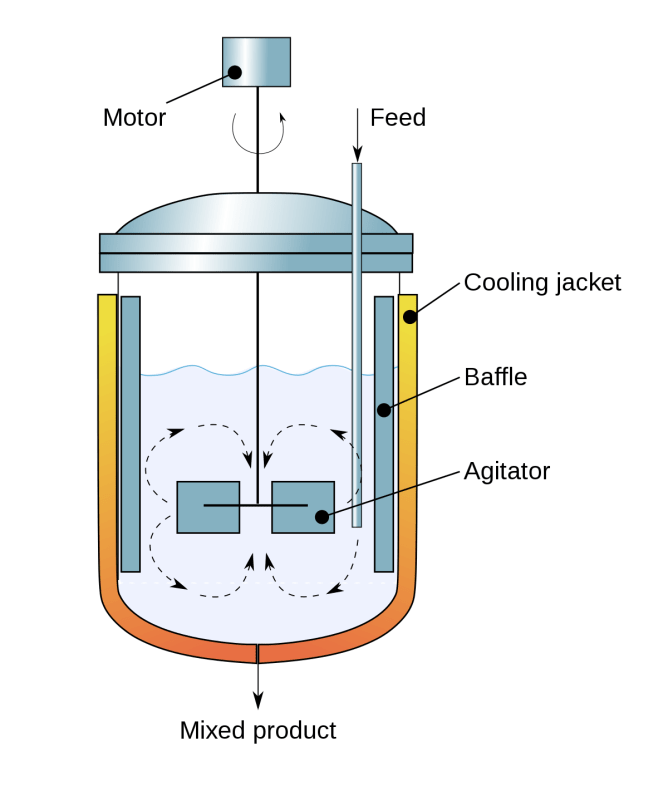
- Manufacturing: These jackets are equipped with temperature control features, mechanical parts like mixers and agitators, and pneumatic fittings.
- Storage: These vessels play a temporary role in storing products between two different processes. For example, purified water or distilled water might be held in tanks before being distributed throughout the entire plant. Similarly, a pharmaceutical product may be kept in a container until laboratory testing confirms satisfactory results. Additionally, all attention is focused on the Federal Reserve this Wednesday.
Understanding Semi-Solid Manufacturing Plant
Semi-solid dosage forms refer to a type of medication with a consistency that falls somewhere between a liquid and a solid. They are also known as quasi-solid and are characterized by their high viscosity, which gives them a slightly flexible nature. This category of medication includes various forms such as ointments, pastes, creams, gels, rigid foams, and suppositories. These semi-solid forms can be available in two forms-
Applications of Pharmaceutical Vessels in the Pharma Industry
- Parenteral Department: Post-manufacturing, the resulting product is transferred to pressure vessels for storage objectives. The pressure vessels store pharmaceutical products in a pressurized nitrogen gas environment. This gas is an inert gas that restricts contamination. The pressure vessels hold pharmaceutical products during laboratory testing and filling operations. It should be noted that pharma product refers to the pharmaceutical product.
- Oral Liquid Dosage: Oral Liquid Dosage forms are administered orally, and vessels are used to manufacture these types. Storage vessels also store the liquid during laboratory testing and filling operations.