Uncategorized

Uncategorized

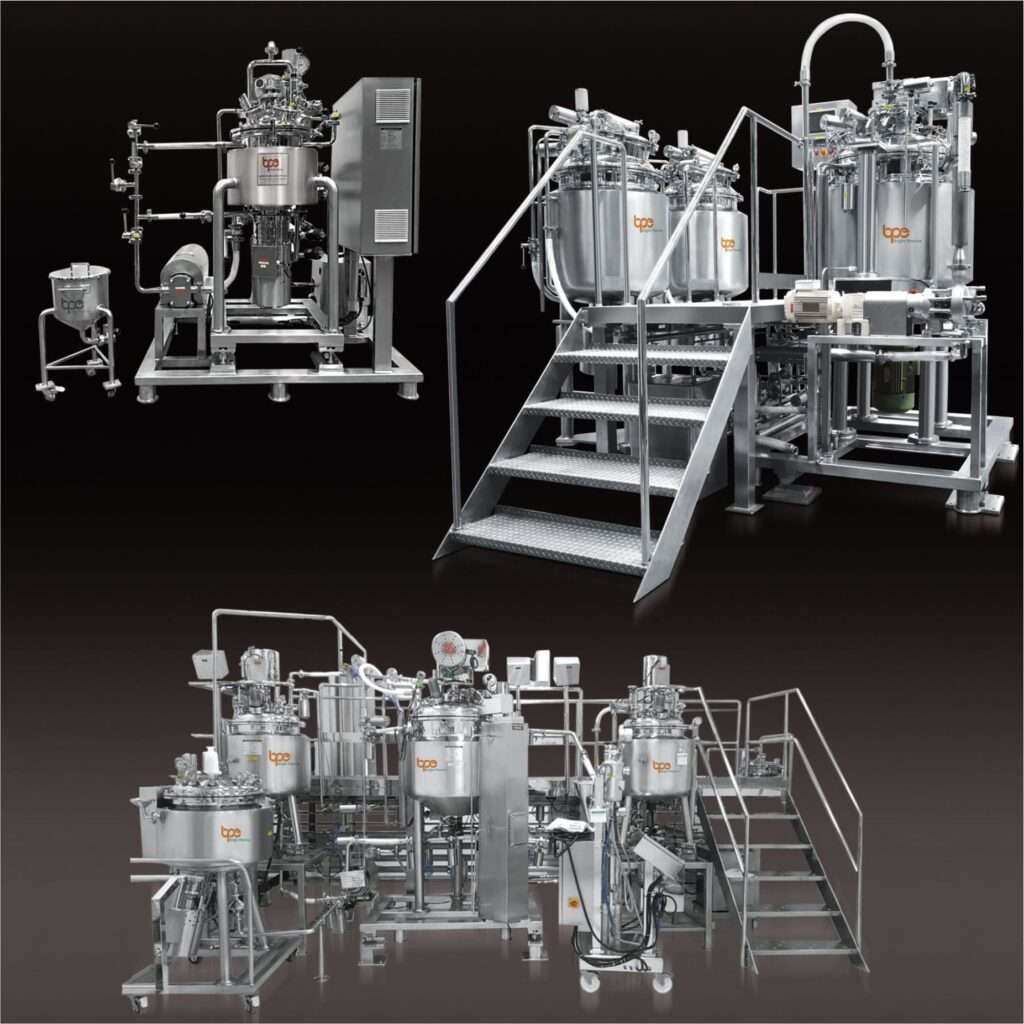
Complete Semi-Solid Manufacturing Plants: The Universal Production Plants For Creams, Ointments, Lotions & Liquids

July 25, 2024 Bright Pharma Engineering Private Limited Our unique and advanced homogenizing and emulsifying system is widely applicable across different industries, especially in the production of ointment creams, lotions, and suspensions. We designed our system to cater to the pharmaceutical industry, where the quality precision of the product is of utmost importance. Our focus on the cosmetics industry is driven by the need to deliver quality emulsions and suspensions that meet consumers’ preferences and regulatory compliance. Understanding Semi-Solid Manufacturing Plant Semi-solid dosage forms refer to a type of medication with a consistency that falls somewhere between a liquid and a solid. They are also known as quasi-solid and are characterized by their high viscosity, which gives them a slightly flexible nature. This category of medication includes various forms such as ointments, pastes, creams, gels, rigid foams, and suppositories. These semi-solid forms can be available in two forms-  Conventional Semi-Solid Dosage Forms  Novel Semi-Solid Dosage Forms Implementation & Benefits Topical applications have a lower risk of side effects compared to other types of medication as they are applied directly to the affected area. These applications have a specific action site, making it easier to focus treatment where needed. Topical treatments can be more convenient for patients with difficulty taking oral medications. Semi-solid dosage forms used in topical treatments avoid hepatic metabolism. Topical applications have a higher stability than liquids. The goopy nature of semi-solid dosage forms makes them easier to apply to the skin. Topical applications can be used for a variety of purposes, including therapeutic, cosmetic, or protective functions. Conclusion The manufacturing and scaling of semi-solid doses can be a complicated process, but having the proper equipment and an experienced team can make all the difference. This is where LGM enters the picture. With our recent acquisition of NextGen, we can now offer our clients the highest level of semi-solid dose manufacturing expertise, paired with state-of-the-art equipment. Our experienced team has been tackling semi-solid dose production challenges for decades, from high volumes of blue star ointment in the 2000s to limited extraction of pseudoephedrine products. Our personalized service, with our unique fee-for-service and partnership/risk-profit-sharing model, applies to every customer, ensuring they receive customized solutions. The demand for semi-solid doses is increasing, and as the global population ages and companies continue to innovate, the market for semi-solid doses will continue to evolve. We at LGM will be here to meet these challenges.
Uncategorized

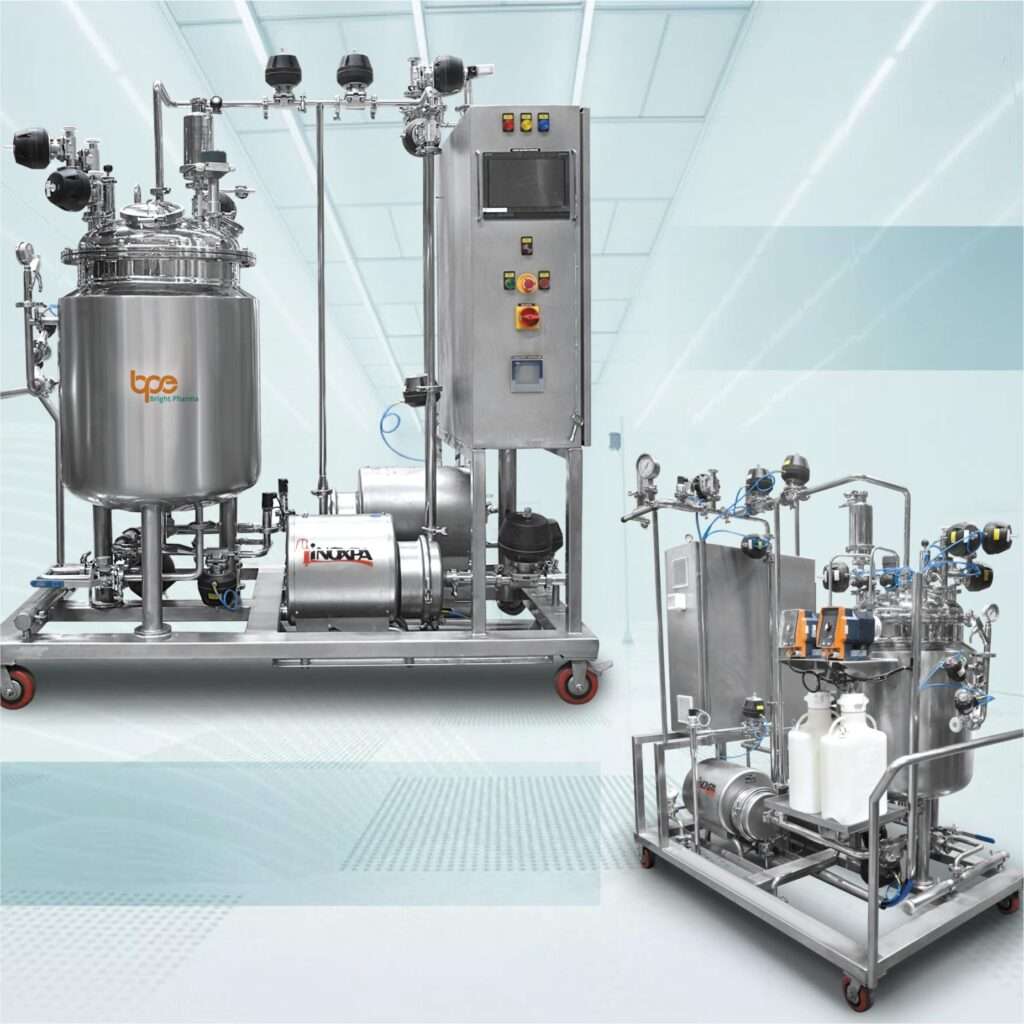
CIP System: Used For Critical Cleaning Applications

July 25, 2024 Bright Pharma Engineering Private Limited CIP or clean-in-place holds immense significance in the pharmaceutical industry, regardless of the setup, be it a drug manufacturing plant, laboratory, or any other pharma operations. The primary focus is on effectively cleaning and sterilizing the equipment on a regular basis to ensure zero contamination and risk of product quality, thereby ensuring that it is safe for patients to consume. Implementing CIP also saves time, as disassembling and assembling the equipment is no longer required for cleaning purposes. However, the incorporation of CIP systems during the design phase of a facility still needs to gain priority to ensure that the cleaning process is seamless and efficient. By doing so, pharmaceutical companies can significantly reduce the risk of contamination, cutting the cost of cleaning, and enhancing the overall quality of the product. CIP is performed to clean product contact surfaces such as vessels, interconnecting process piping, pumps, and filtration skids without dismantling. This effective cleaning method has reduced cleaning cycle time and has proven to be reliable, consistent, and beneficial for the entire product life cycle. An efficient design of the CIP system takes into account all factors of the Sinner’s circle for successful cleaning. The Sinner’s Circle is a conceptual model that defines the four interdependent factors required for efficient and thorough cleaning: chemical, temperature, time, and mechanical action. In addition to these factors, coverage becomes an essential parameter to include for rigorous setups. Coverage refers to the ability of the cleaning solution to reach and clean all equipment surfaces. Considering all these parameters during the CIP system design is necessary to ensure a thorough and effective cleaning process. Such a comprehensive approach is to maintain equipment hygiene and avoid contamination issues.

Uncategorized

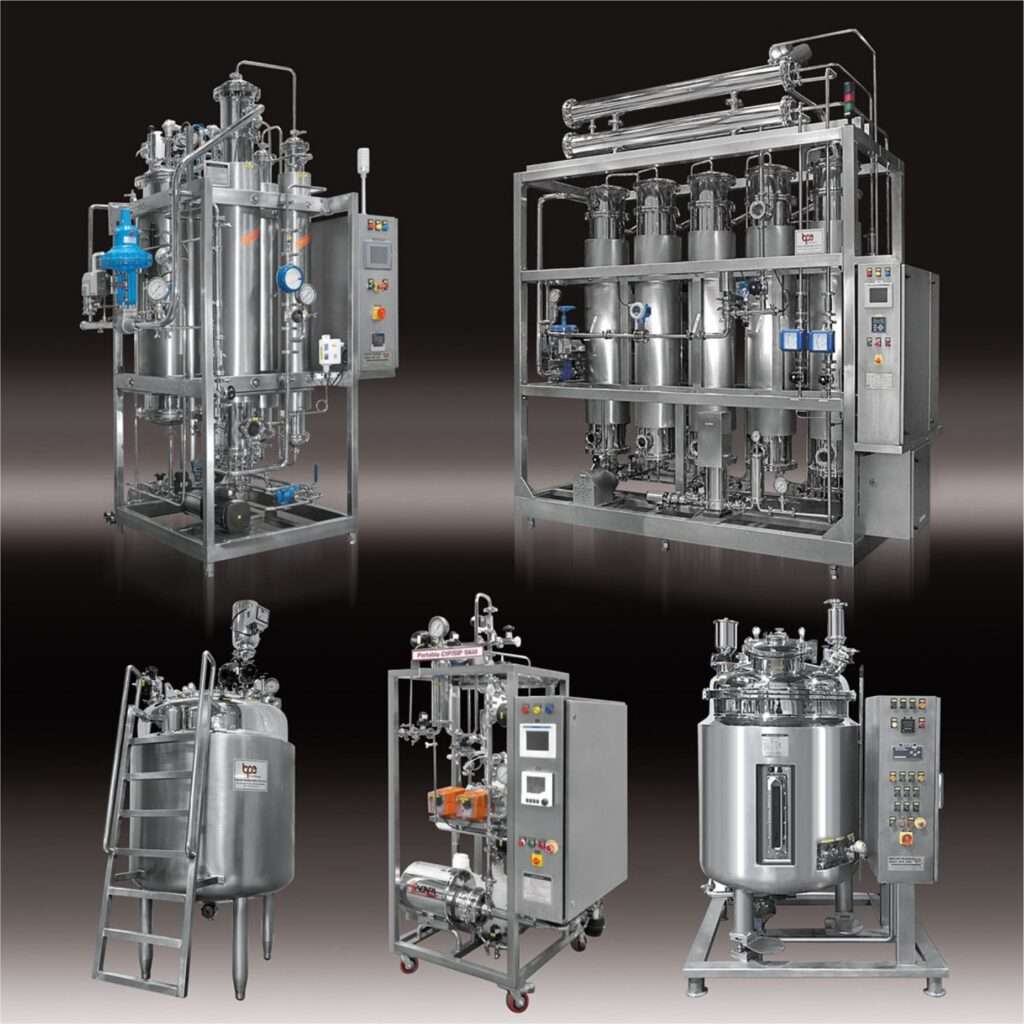
Highly Purified Media: The Key to Successful Pharma Processing Method

July 25, 2024 Bright Pharma Engineering Private Limited Bright Pharma specializes in the manufacturing of equipment meticulously engineered, fabricated, and maintained to support critical processes such as filtration, distillation, and sterilization. These specialized machines are integral in removing impurities and achieving the exacting purity levels necessary for production. The demand for purified water in the pharmaceutical and biotechnical industries is consistently increasing. This necessity is due to its multiple functions in the processing, formulation, and manufacturing of pharmaceutical products and active pharmaceutical ingredients (APIs). Additionally, water is used as an excipient and during synthesis, as well as for the cleaning of packaging and equipment materials. The quality of water required varies depending on its intended purpose and is specifically outlined in guidelines and regulations set forth by the pharmaceutical industry. As a result, different grades of water quality are necessary to meet the industry’s standards and requirements. Generation of Highly Purified Water Reverse osmosis, the process that utilizes a semi-permeable membrane and significant pressure variation, is the perfect methodology to obtain purified water that is free from chemicals, microbes, and endotoxins. For high-grade media systems that generate purified water, clean steam, and water for injection, these advanced and secure technologies have proven to be highly effective at producing purified water for injection that meets the strict quality standards of the pharmaceutical industry. Implementation & Benefits Purified water for injection (WFI) manufacturing is an indispensable need in the pharmaceutical business. It is used in the manufacturing of drugs, medications, injections, and other medicinal products that are meant to be administered to humans or animals. Conventionally, the process of obtaining purified water for injection involves distilling water, which is an energy-intensive and expensive procedure. However, the resulting WFI is of high quality and meets the regulatory requirements of various health organizations. Moreover, these modern methods eliminate the need for large energy and water consumption, making it more sustainable and eco-friendly. They also tend to be faster and more efficient, leading to lower costs and improved profit margins for pharmaceutical manufacturers. As a result, more companies are switching to these methods for producing their WFI and other purified water needs. With turnkey solutions offered in the market, the setup of integrated storage and delivery systems has become accessible to provide complete services to customers. Conclusion In summary, while the traditional method of producing purified water for injection involves energy-intensive distillation, the pharmaceutical industry has now shifted to more efficient and sustainable methods like reverse osmosis and ultrafiltration.

You cannot copy content of this page

Scroll to Top